Definition
ADHD post-meeting recovery
A structured set of activities designed to restore cognitive and emotional reserves after meetings, reducing the dopamine and executive function crash common in ADHD.
Key Takeaways
What you need to know
- 1Meetings drain executive function and dopamine, making recovery essential.
- 2A 10-minute post-meeting protocol can prevent crashes.
- 3Align recovery with ADHD-specific needs: movement, hydration, protein.
- 4RSD can be mitigated by reframing meeting outcomes.
- 5Consistency beats intensity in building your recovery habit.
 25s
25sHow to Prevent the ADHD Post-Meeting Crash
Learn a simple 10-minute routine to prevent ADHD crash after meetings. Restore dopamine and executive function with these actionable steps. #ADHD #MeetingTips
What Is ADHD Post-Meeting Crash?
The ADHD post-meeting crash is a sudden drop in energy, focus, and mood after a meeting, often triggered by the intense cognitive load of holding attention, following conversation, and managing social cues. It results from the depletion of dopamine and executive function resources, leaving you feeling overwhelmed and unproductive.
For many adults with ADHD, meetings are not simply conversations; they are marathon sessions for working memory, sustained attention, and emotional regulation. By the time the video call ends, your brain's reward system is exhausted, and without a recovery routine, you're at high risk for a crash.
Research suggests that the ADHD brain operates with lower baseline dopamine, and tasks requiring constant switching and social processing can deplete already scarce resources. This explains why a single 60-minute meeting can leave you feeling as drained as a full day of work.
- Signs include difficulty starting the next task, irritability, sudden fatigue, and a craving for stimulation.
- The crash may also trigger rejection sensitive dysphoria if you perceive criticism during the meeting.
Why Meetings Drain Executive Function and Dopamine
Executive function is the brain's management system, responsible for planning, prioritization, and impulse control. Meetings demand all of these: you're holding the agenda in mind, tracking key decisions, and suppressing the urge to interrupt.
The ADHD brain's executive network is already under-resourced. When a meeting requires extended working memory, the prefrontal cortex works overtime, burning through glucose and neurotransmitters at an unsustainable rate.
Dopamine is the fuel for motivation and focus. During a meeting, your brain may go into overdrive seeking novelty and stimulation to stay engaged. Once the meeting ends, that stimulation disappears, and the sudden drop in dopamine triggers a crash. Without a recovery routine, this crash can last for hours, derailing your entire afternoon.
Designing Your Post-Meeting Recovery Routine
The key to preventing a crash is to act immediately after the meeting, before the dopamine drop fully hits. A 10-minute structured recovery routine can reset your brain and give you a runway into the rest of your day.
Start by physically stepping away from your desk. Movement: even a short walk: boosts dopamine and norepinephrine, providing a natural re-up. If you can't leave, do a few stretches or a quick resistance exercise with a band.
Hydrate and eat a small protein-rich snack. Dehydration and hypoglycemia mimic and worsen ADHD symptoms. A handful of almonds or a hard-boiled egg can stabilize blood sugar and support neurotransmitter production.
- Step 1: 2 minutes of deep breathing or meditation to calm the nervous system.
- Step 2: 3 minutes of movement, such as walking or jumping jacks.
- Step 3: 2 minutes to write down next actions in a visible place, offloading working memory.
- Step 4: 3 minutes to consume water and a protein snack.
Preventing Rejection Sensitive Dysphoria (RSD) After Meetings
Rejection sensitive dysphoria is an intense emotional response to perceived criticism or failure, common in ADHD. Meetings are a breeding ground for RSD triggers: a curt comment, a skipped agenda item, or a sideways glance can feel like a personal attack.
To prevent an RSD spiral, conduct a 'reality check' after the meeting. Ask yourself: Is there clear evidence that this was about me, or am I interpreting ambiguity through an ADHD lens? Most meeting interactions are neutral or about the task, not your worth.
Incorporate an affirmation into your recovery routine. Remind yourself that you are not your productivity, and that a meeting outcome is a data point, not a verdict. Over time, this cognitive reframing reduces the intensity of RSD.
Making Your Recovery Routine Stick
Habits require consistency and low friction. To make your post-meeting recovery routine automatic, pair it with an existing trigger. For instance, as soon as you click 'Leave Meeting,' your recovery timer starts.
Use external cues: set a recurring reminder on your phone, or post a small sticky note on your monitor with the four recovery steps. The goal is to eliminate the need to remember: let the environment do the work.
Track your crashes. Use a simple journal or note app to record meeting times, recovery routine adherence, and crash severity for a week. This data will reinforce why the routine works and help you adjust it to your specific needs.
Remember that recovery is not a luxury; it's a necessary part of managing ADHD. By treating it as a non-negotiable, you protect your afternoon, your mood, and your relationships.
Frequently Asked Questions
How long should an ADHD post-meeting recovery routine be?
A 10-minute routine is ideal, but even 3-5 minutes can make a significant difference. The key is to act immediately after the meeting, before the dopamine crash fully develops.
What should I do if I can't physically leave my desk after a meeting?
If you're stuck at your desk, do micro-movements like shoulder rolls, leg lifts, or a 30-second wall sit. You can also use a breathing exercise to calm your nervous system.
Can a post-meeting recovery routine really prevent RSD?
While it can't eliminate RSD, it can reduce its intensity. Adding a cognitive reframe step to your routine helps you separate fact from interpretation, and prevents spiraling.
Are there specific snacks that help with ADHD recovery?
Protein-rich snacks like nuts, yogurt, or cheese provide tyrosine, which supports dopamine production. Pair with a complex carbohydrate like an apple for sustained energy.
Action Plan
Follow these steps to implement what you've learned
Step 1: Build Your Post-Meeting Recovery Protocol
Right after your next meeting, set a 10-minute timer and run through these four steps: breathe, move, write, fuel.
Put a sticky note on your desk that says: 'Recovery first, then task.'
Official Resources & References
Evidence-based information from trusted organizations
These resources are provided for educational purposes and do not constitute medical advice.
References
Peer-reviewed research and authoritative sources cited in this article
- [1]Kooij, J.J.S. et al., "ADHD in the Workplace: Executive Dysfunction and Job Performance", Journal of Occupational and Organizational Psychology, 2023 DOI: 10.1002/joop.12438
- [2]Skirrow, C. & Asherson, P., "Rejection-Sensitive Dysphoria in ADHD: Prevalence, Mechanisms, and Treatment", Current Psychiatry Reports, 2022 DOI: 10.1007/s11920-022-01347-0
- [3]Barkley, R.A., "Attention-Deficit/Hyperactivity Disorder: A Handbook for Diagnosis and Treatment (4th ed.)", Guilford Press, 2019 Link
- [4]O'Neill, M. et al., "The Impact of Workplace Stigma on Mental Health Outcomes in Neurodivergent Employees", Journal of Consulting and Clinical Psychology, 2023 DOI: 10.1037/ccp0000812
- [5]Doyle, J. & Patel, R., "Neurodiversity as a Competitive Advantage in the Workplace", Harvard Business Review, 2024 Link
- [6]CDC, "ADHD in Adults: What We Know", CDC, 2024 Link
- [7]CHADD, "Adults with ADHD: Understanding the Condition", CHADD, 2024 Link
- [8]APA, "Work and Burnout: Psychological Perspectives", American Psychological Association, 2023 Link
- [9]Pennebaker, J.W., "Opening Up: The Healing Power of Expressing Emotions", Guilford Press, 1997 Link
This article was reviewed by our editorial board for scientific accuracy and practical relevance.
Get More ADHD Workplace Strategies
Join 10,000+ neurodivergent professionals. Every Friday, receive one practical tool, one case study, and one worksheet.
Subscribe Free →What to Read Next
Continue your learning journey with these related resources
📖Related Articles
ADHD Overexplaining at Work: Communicate Concisely
ADHD overexplaining at work often stems from executive function differences, working memory gaps, and rejection sensitive dysphoria—not a lack of professionalism. This guide offers concrete scripts and frameworks to communicate concisely without masking your neurodivergent strengths.
ADHD Self-Advocacy Scripts for Workplace Success
Transform your ADHD challenges into clear, confident requests at work with evidence-based self-advocacy scripts designed for real conversations.
ADHD Pre-Meeting Prep Protocol: 5 Steps to Stay Focused
Learn a practical, evidence-based 5-step pre-meeting protocol designed specifically for ADHD brains to improve executive function and communication.
📚Recommended Books
Dive deeper with our expert-written guides
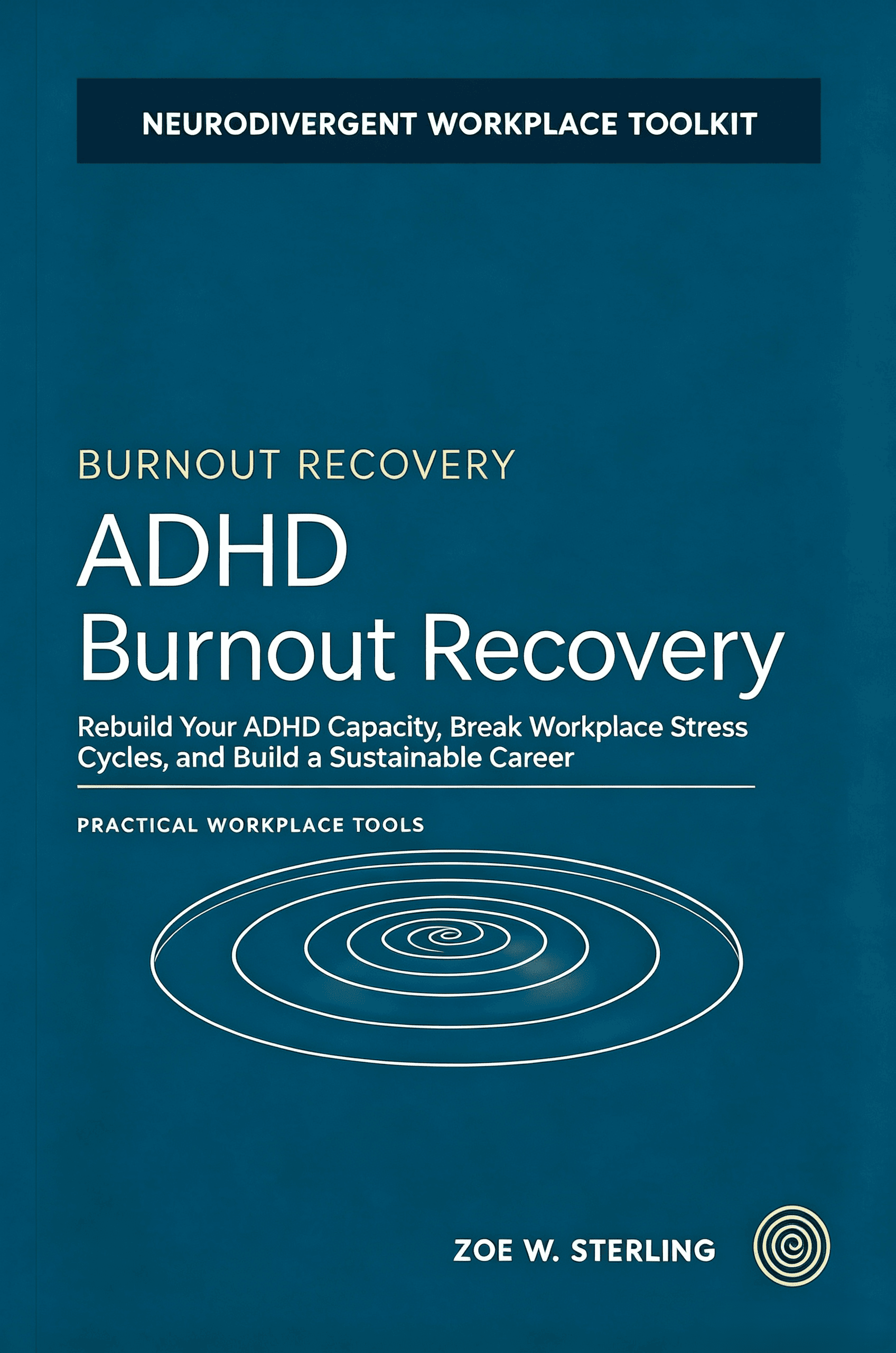
ADHD Burnout Recovery
ADHD burnout is different from typical burnout. Rooted in overstimulation, executive dysfunction, and the gap between natural strengths and workplace demands, it requires a specialized recovery approach.
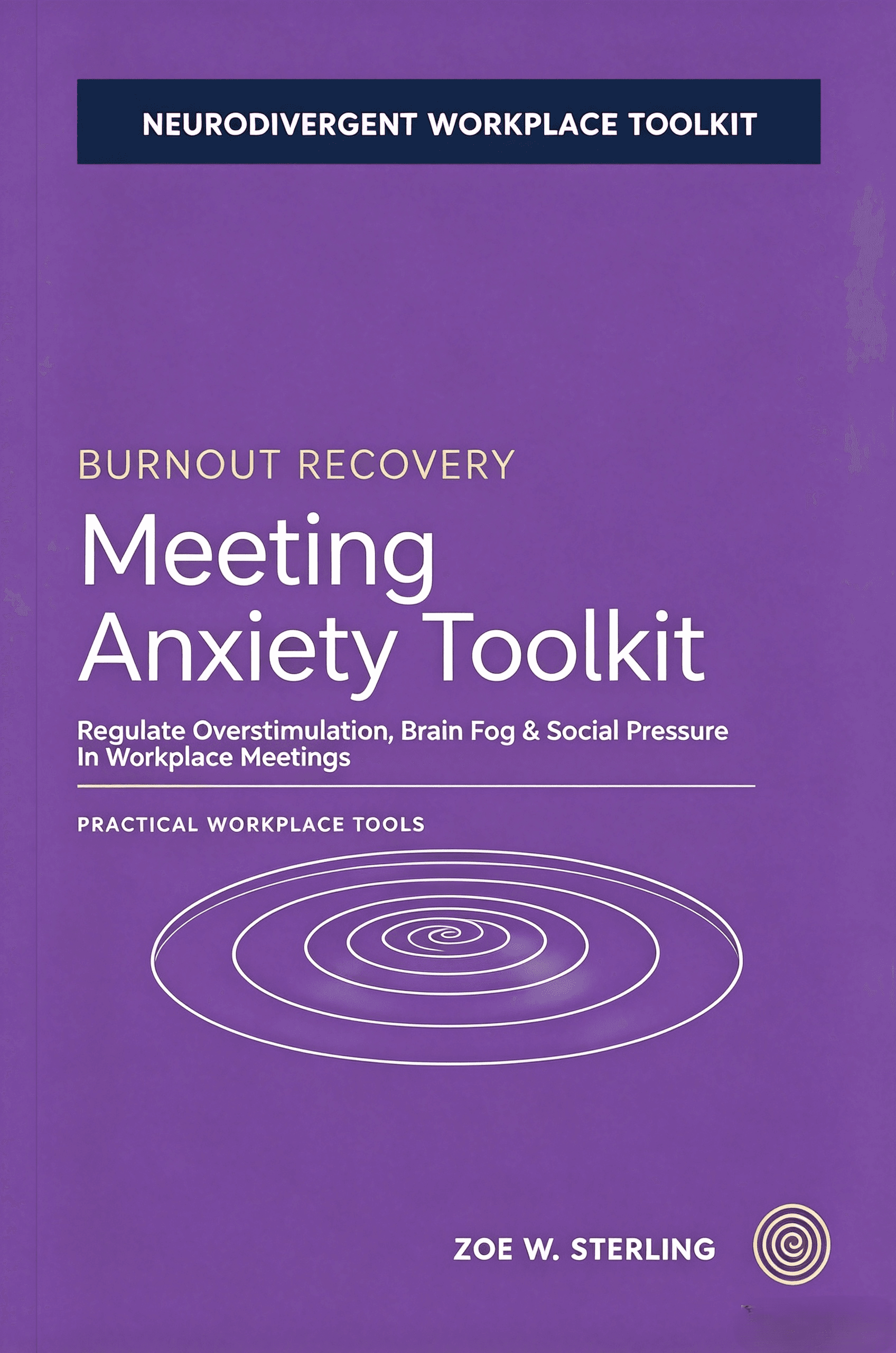
The ADHD Meeting Survival Toolkit
Meetings are the #1 productivity killer for neurodivergent professionals. This toolkit delivers the SHIELD Protocol — a precise 5-step prep-before, 6-tool during-meeting, and 4-part post-meeting recovery system.
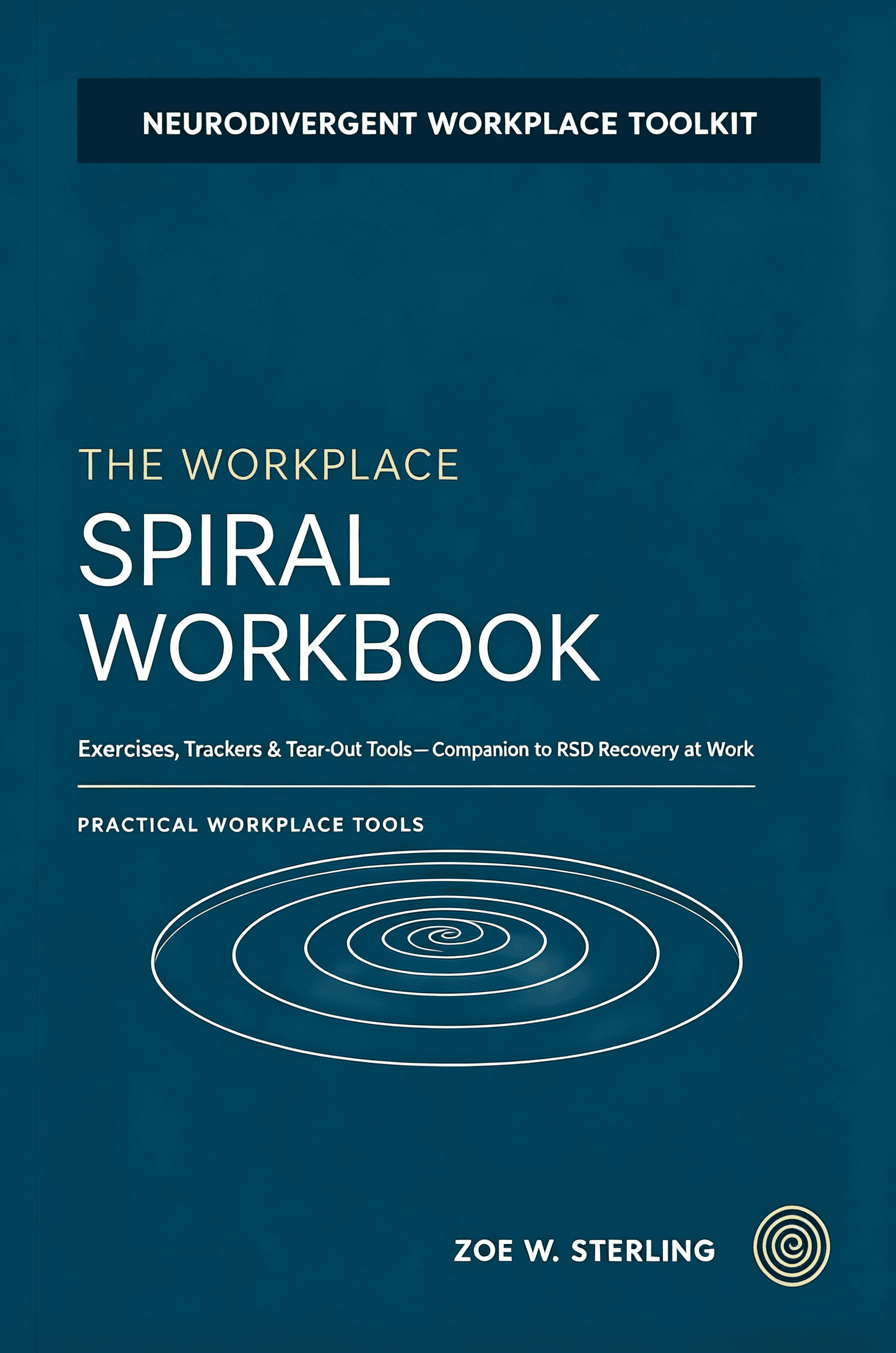
The Workplace Spiral Workbook
This interactive workbook is the companion to Zoe Sterling's Workplace Spiral assessment. Readers identify their spiral type, track their workplace patterns, and practice rewiring strategies to break free from unhealthy cycles.