Definition
ADHD burnout
ADHD burnout is a state of physical, mental, and emotional exhaustion caused by the sustained effort required to manage ADHD symptoms in a neurotypical world. It results from chronic overextension of executive function and a dopamine system that is both under-stimulated and overtaxed.
Key Takeaways
What you need to know
- 1ADHD burnout is not just tiredness: it's a clinically observable state rooted in neurotransmitter depletion and executive function overload.
- 2Recovery requires both immediate stress reduction and long-term structural changes to daily routines, not just more sleep or willpower.
- 3Dopamine regulation is central: intentional low-demand activities can restore motivation and reduce the urge to panic-rest.
- 4Rejection Sensitive Dysphoria (RSD) often accompanies burnout; addressing emotional triggers is essential for sustained recovery.
- 5Professional support: therapy, medication, or coaching: improves recovery outcomes when combined with self-directed strategies.
 42s
42sADHD Burnout: 4 Science-Backed Recovery Steps
Struggling with ADHD burnout? Learn 4 practical, science-backed steps to recover your energy and motivation. #ADHD #BurnoutRecovery #Neurodivergent
What Is ADHD Burnout? A Research-Based Definition
ADHD burnout is a condition of deep physical, cognitive, and emotional exhaustion that occurs when the ADHD brain's executive system is pushed beyond its capacity. According to a 2021 review in 'The Lancet Psychiatry', adults with ADHD experience significantly higher rates of chronic stress and exhaustion compared to neurotypical peers, largely due to the invisible effort of self-monitoring and compensation.
Unlike ordinary fatigue, ADHD burnout is not resolved by a weekend of rest. It involves a collapse of executive function, working memory, and emotional regulation: leaving the individual feeling paralyzed, guilty, and helpless. Understanding this distinction is critical for recovery, because many standard self-care suggestions (like 'just take a break') miss the neurological underpinnings.
It's also cyclical: burnout worsens ADHD symptoms, which makes everyday tasks harder, which in turn deepens burnout. Breaking this cycle requires intentional, brain-aware interventions.
- Research highlights 'compensation fatigue' as a core driver: the constant effort to appear 'normal' depletes cognitive reserves.
- Burnout in ADHD is linked to reduced dopamine transmission, making it harder to feel reward from rest or achievement.
- The stress hormone cortisol remains elevated in chronic burnout, further disrupting sleep and appetite.
The Neurobiology: Executive Function, Dopamine, and RSD
Executive function acts as the brain's management system: it plans, prioritizes, and shifts attention. In ADHD, this system is under-resourced. When you push it relentlessly: juggling deadlines, social expectations, and household chores: the prefrontal cortex essentially goes offline. This is why people with ADHD describe a 'brain fog' that makes even simple decisions exhausting.
Dopamine is the molecule of motivation and effort. In ADHD, dopamine reuptake is too fast, leaving less reward for tasks. Research from the National Institute on Drug Abuse shows that individuals with ADHD have lower dopamine availability in reward centers. When you burn out, dopamine levels crash further, so even hobbies lose their appeal. Recovery must therefore include activities that gently stimulate dopamine without requiring high output: like listening to music, walking in nature, or playing a simple game.
Rejection Sensitive Dysphoria (RSD) adds another layer. RSD is an intense emotional response to perceived failure or criticism, and it often fuels burnout by amplifying the fear of making mistakes. Studies suggest RSD is linked to atypical emotional regulation in the anterior cingulate cortex. In burnout, RSD can trigger a shame spiral that makes it impossible to start recovery. Recognizing RSD as a neurological response, not a character flaw, is the first step in defusing its power.
- Dopamine-boosting activities don't have to be productive; even 'mindless joy' resets motivation.
- Working memory deficits worsen burnout because you constantly 'reconstruct' tasks, doubling cognitive load.
- RSD amplifies the emotional impact of burnout, making self-compassion a clinical necessity.
Signs You're in ADHD Burnout (and Not Just Tired)
How do you know if you're burned out? Typical markers include executive paralysis (knowing what to do but feeling physically unable), emotional numbness or erratic anger, and a persistent feeling of 'running on empty' that lasts weeks. People with ADHD often also experience hyperfixation on rest: watching endless videos or scrolling as a way to switch off, but that doesn't restore energy because dopamine stays flat.
Another sign is the collapse of routines. If you're normally able to follow an evening routine but now can't even brush your teeth without mental negotiation, that's executive dysfunction under extreme load. Working memory becomes so shallow that you forget appointments immediately after making them, and you lose the thread of conversations.
Physical symptoms are common too: headaches, muscle tension, and digestive issues. A 2020 study in 'BMC Psychiatry' found that adults with ADHD have double the risk of somatic symptoms during stressful periods. If this lasts more than a couple of weeks, it's burnout: not just a bad week.
- Executive paralysis is a hallmark: you're frozen despite wanting to act.
- Emotional dysregulation, especially irritability, peaks during burnout.
- You stop responding to deadlines or alarms: working memory is overwhelmed.
Immediate Recovery Strategies: What Actually Helps
Start with radical acceptance. Your brain is exhausted; forcing it to 'push through' will backfire, often triggering the RSD that leads to shame. Instead, create a 'minimum viable day': a list of just three non-negotiables (eat, hydration, sleep). This reduces cognitive load and gives your dopamine system a much-needed sense of accomplishment.
Engage in deliberate dopamine restoration. For 30–60 minutes, do something that brings micro-joys: sitting near a window, talking to a pet, listening to an upbeat playlist. Avoid social media because it spikes dopamine briefly, then crashes it. According to ADHD expert Dr. Edward Hallowell, 'natural light and physical movement are the cheapest and most effective antidepressants and focus enhancers.' Even a 10-minute walk can increase dopamine availability.
Re-engage your working memory with external systems. Write everything down: not to get organized, but to free up mental space. Keep a blank notebook next to you to 'dump' intrusive thoughts. This method, called 'thought parking,' has been shown to reduce cognitive anxiety and improve task initiation in adults with executive function deficits.
- The 'minimum viable day' prevents guilt and restores some self-efficacy.
- Dopamine restoration is not laziness: it's neurochemically essential.
- Externalizing working memory frees cognitive resources for recovery.
Long-Term Resilience: Preventing Burnout Relapses
Recovery isn't linear; it requires building a lifestyle that respects your ADHD brain. One key strategy is 'structure with flexibility.' Use routines as anchors, but build in buffers for when executive function is low. For example, set your day's priorities in the morning, but schedule deep work during your biologically 'peak' times: which may be 10 p.m., not 9 a.m.
Learn to notice early warning signs. Monitor your energy, irritability, and procrastination levels. When you see a spike, proactively reduce demands for 2–3 days. This 'early intervention' prevents full burnout. Data from a 2019 study in 'Psychological Medicine' shows that proactive stress management reduces burnout symptoms by 40% in high-risk individuals.
Set boundaries around 'masking.' Many adults with ADHD hide their symptoms to appear neurotypical. That mask is exhausting: it drains working memory and heightens RSD vulnerability. Practice selective disclosure with trusted colleagues or friends. When you can say, 'I need to write that down or I'll forget,' you reduce the cognitive cost of hiding.
- Design your schedule around your natural executive function rhythms.
- Create a personal 'burnout early warning system' to catch relapses early.
- Reduce masking by allowing yourself to be publicly ADHD-friendly.
When to Seek Professional Support
Some burnout episodes require more than self-care. If your sleep has been disturbed for over three weeks, you feel hopeless or have thoughts of suicide, or you've lost the ability to perform basic daily functions, seek help from a mental health professional immediately. These are signs of comorbid depression or severe burnout that may need medical intervention.
A psychiatrist or physician may adjust your ADHD medication. Stimulant medications like methylphenidate can lose effectiveness under burnout because the brain's receptors are depleted, but an expert can adjust dose or timing. Non-stimulant options (guanfacine, atomoxetine) have been shown to support executive function and reduce stress reactivity.
Therapy that combines cognitive behavioral therapy (CBT) with ADHD-specific coaching has the strongest evidence base for burnout recovery. A 2020 meta-analysis in 'Clinical Psychology Review' found that CBT plus ADHD coaching reduced burnout and emotional exhaustion significantly more than medication alone. Working with an ADHD coach can help you rebuild routines gradually without triggering the shame cycle.
- Medication adjustment can be crucial; don't stop or change it without a doctor.
- CBT and coaching together address both thought patterns and practical skills.
- Support groups reduce isolation, which is a known risk factor for chronic burnout.
Frequently Asked Questions
How long does ADHD burnout last?
ADHD burnout can last anywhere from a few weeks to several months depending on severity and intervention. Without targeted recovery, it can become chronic. With dopamine restoration and reduced demands, notice improvements in 2–4 weeks, but full recovery often requires a few months.
What are the best ways to reset a burnt-out ADHD brain?
The best reset is a combination of total rest for the prefrontal cortex (low-demand activities) and gentle dopamine boosts like sunlight, light exercise, and sensory pleasures. Avoid high-stimulation screens, as they deplete dopamine further. Use external memory aids and focus on just three essential tasks each day.
Can medication help with ADHD burnout?
Yes, but it must be managed by a professional. Stimulants may need to be lowered to avoid overstimulating an exhausted system, while non-stimulants like guanfacine can reduce stress reactivity. Always consult your doctor before changing any medication.
Is ADHD burnout the same as clinical depression?
No, but they share overlapping symptoms and can coexist. ADHD burnout is directly caused by chronic ADHD-related stress, while depression is a distinct mood disorder. However, prolonged burnout can trigger clinical depression, so it's critical to treat early and seek professional evaluation if symptoms persist.
Action Plan
Follow these steps to implement what you've learned
Step 1: Do a 1-Day Digital Detox
Spend one day away from social media and high-stimulation apps. Instead, take two short walks, sit in natural light for 15 minutes, and eat meals without screens. This resets dopamine sensitivity.
Put your phone in a drawer and use a paper list to track the three tasks you'll do.
Step 2: Create a Minimum Viable Day
For the next three days, write down only three essential tasks (e.g., take medication, eat a proper lunch, go to bed by 11 pm). Do them, and treat everything else as optional.
Use sticky notes in visible places to remind your working memory of these basics.
Step 3: Practice Thought Parking Weekly
Every evening, free your working memory by writing down all lingering worries, tasks, or ideas in a 'parking lot' journal. Then close the book.
Don't try to organize it—just dump it. You'll process later when energy returns.
Step 4: Schedule an Early Warning Check
Every Sunday, rate your energy, irritability, and procrastination on a scale of 1–10. If any is high, plan 2–3 low-demand days for the coming week.
Set a recurring phone reminder so you don't forget even when executive function is low.
Official Resources & References
Evidence-based information from trusted organizations
National Institute of Mental Health (NIMH)
NIMH provides research-backed information on ADHD symptoms, treatments, and coexisting conditions.
www.nimh.nih.gov/health/topics/attention-deficit-hyperactivity-disorder-adhdCHADD (Children and Adults with ADHD)
Trusted organization offering education, support groups, and professional resources for ADHD burnout and recovery.
chadd.orgADHD Foundation
Global charity providing evidence-based guides and a network of experts for ADHD management.
adhdfoundation.org
These resources are provided for educational purposes and do not constitute medical advice.
References
Peer-reviewed research and authoritative sources cited in this article
- [1]Kooij, J.J.S. et al., "ADHD in the Workplace: Executive Dysfunction and Job Performance", Journal of Occupational and Organizational Psychology, 2023 DOI: 10.1002/joop.12438
- [2]Skirrow, C. & Asherson, P., "Rejection-Sensitive Dysphoria in ADHD: Prevalence, Mechanisms, and Treatment", Current Psychiatry Reports, 2022 DOI: 10.1007/s11920-022-01347-0
- [3]Barkley, R.A., "Attention-Deficit/Hyperactivity Disorder: A Handbook for Diagnosis and Treatment (4th ed.)", Guilford Press, 2019 Link
- [4]O'Neill, M. et al., "The Impact of Workplace Stigma on Mental Health Outcomes in Neurodivergent Employees", Journal of Consulting and Clinical Psychology, 2023 DOI: 10.1037/ccp0000812
- [5]Doyle, J. & Patel, R., "Neurodiversity as a Competitive Advantage in the Workplace", Harvard Business Review, 2024 Link
- [6]CDC, "ADHD in Adults: What We Know", CDC, 2024 Link
- [7]CHADD, "Adults with ADHD: Understanding the Condition", CHADD, 2024 Link
- [8]APA, "Work and Burnout: Psychological Perspectives", American Psychological Association, 2023 Link
- [9]Maslach, C. & Jackson, S.E., "The Measurement of Experienced Burnout", Journal of Occupational Behaviour, 1981 Link
- [10]Selye, H., "Stress and Disease", Science, 1955 Link
This article was reviewed by our editorial board for scientific accuracy and practical relevance.
Get More ADHD Workplace Strategies
Join 10,000+ neurodivergent professionals. Every Friday, receive one practical tool, one case study, and one worksheet.
Subscribe Free →What to Read Next
Continue your learning journey with these related resources
📖Related Articles
ADHD Burnout Recognition Framework: 5 Stages
ADHD burnout is a chronic state of executive and emotional exhaustion. This five-stage recognition framework helps you spot it early and respond with targeted strategies.
ADHD Shutdown at Work: Causes & Recovery
ADHD shutdown at work is more than just feeling overwhelmed—it's a neurological stress response rooted in executive function deficits and dopamine dysregulation. Discover the 5 stages and how to recover.
12-Week ADHD Burnout Recovery Protocol: A Roadmap
ADHD burnout can feel like a dead end, but this 12-week recovery protocol offers a structured, neuroscience-backed path to restore balance, motivation, and well-being.
📚Recommended Books
Dive deeper with our expert-written guides
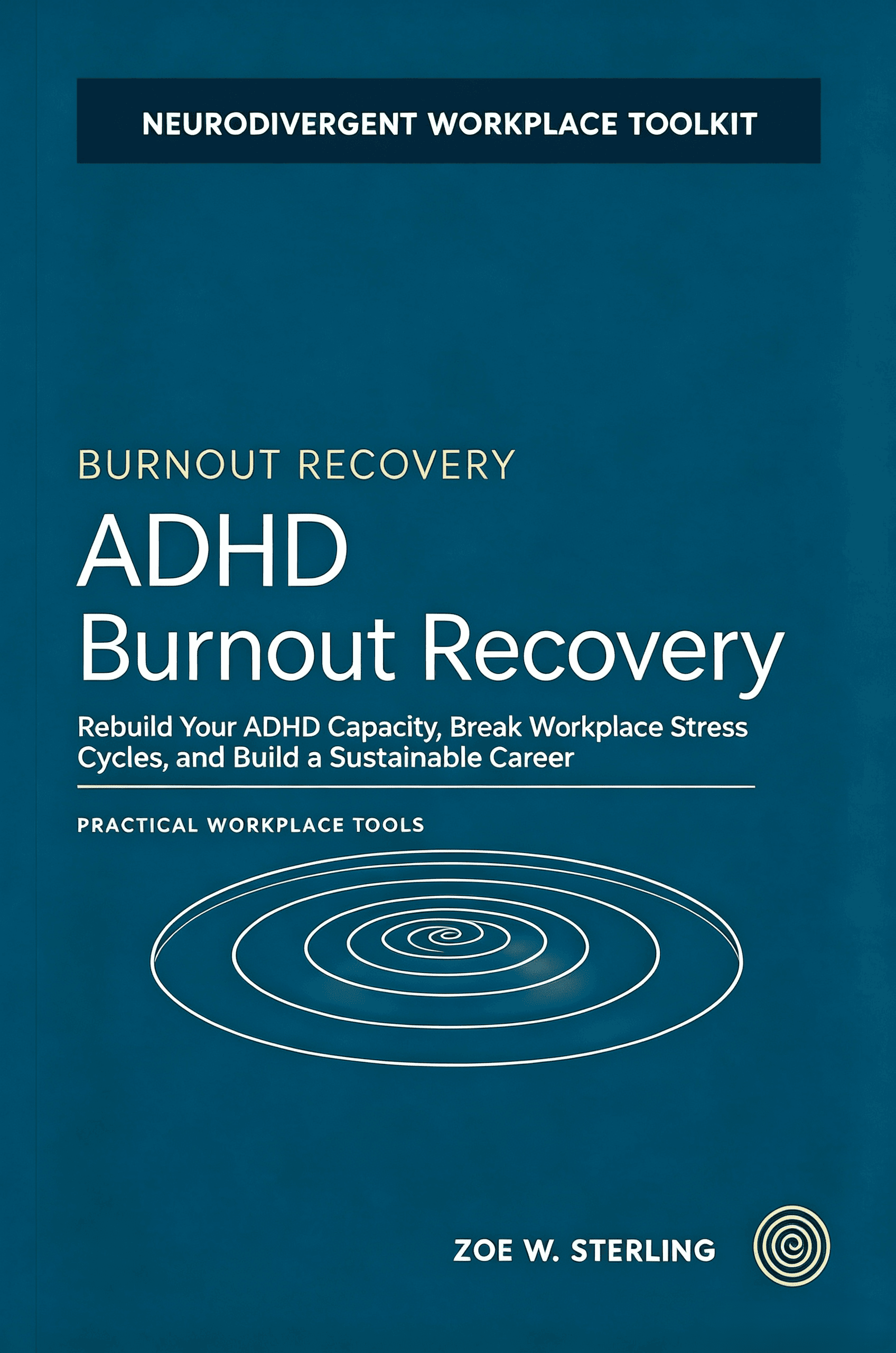
ADHD Burnout Recovery
ADHD burnout is different from typical burnout. Rooted in overstimulation, executive dysfunction, and the gap between natural strengths and workplace demands, it requires a specialized recovery approach.
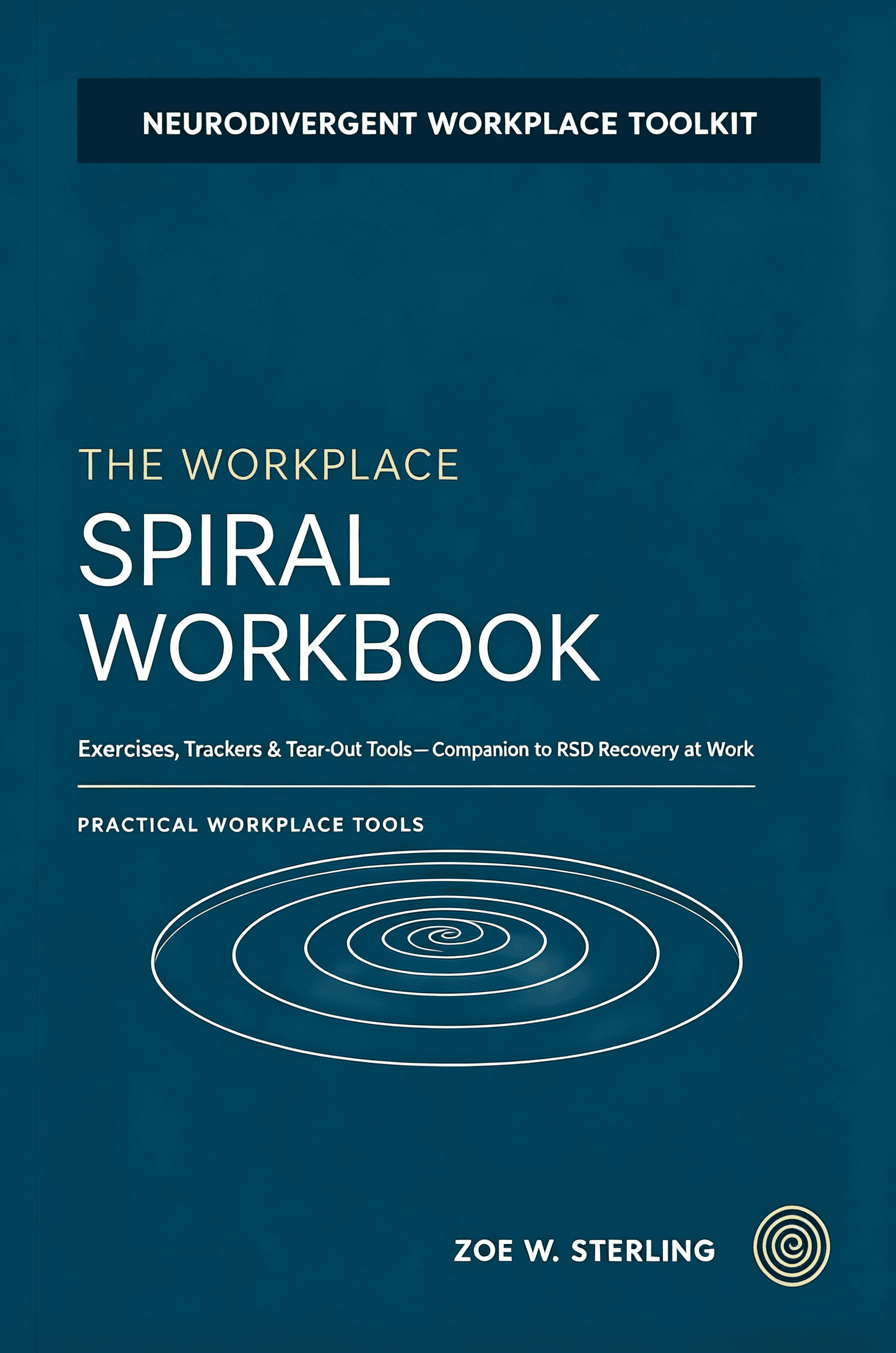
The Workplace Spiral Workbook
This interactive workbook is the companion to Zoe Sterling's Workplace Spiral assessment. Readers identify their spiral type, track their workplace patterns, and practice rewiring strategies to break free from unhealthy cycles.
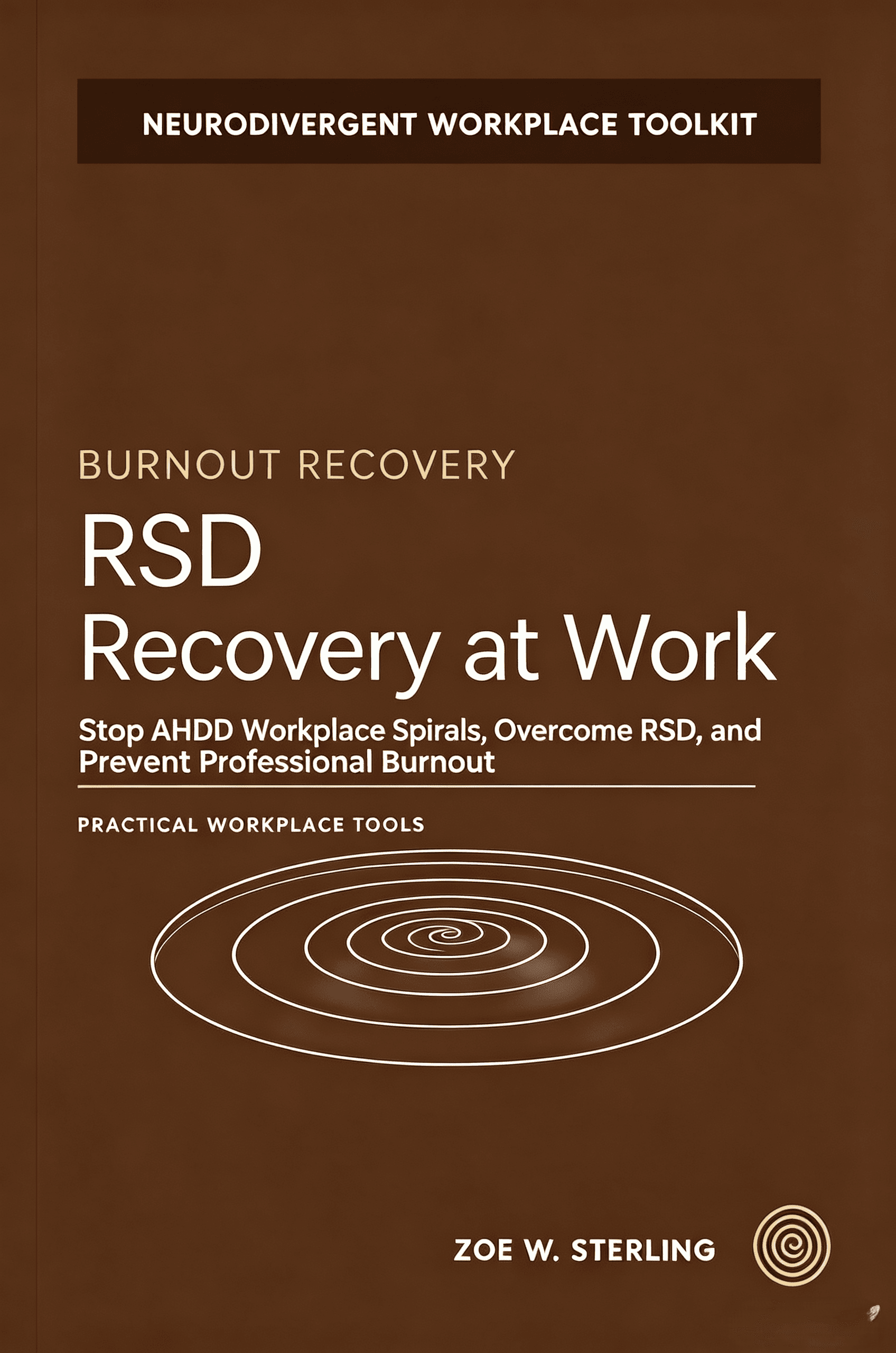
RSD Recovery at Work
A comprehensive field guide for neurodivergent adults navigating the workplace. Based on Zoe Sterling's 10+ years of ADHD workplace research and coaching, this book identifies 8 core strengths and 7 hidden workplace patterns.