ADHD Workplace Overwhelm: Management Techniques
Definition
ADHD workplace overwhelm
ADHD workplace overwhelm is a state of cognitive and emotional overload triggered by the demands of a work environment, exacerbated by ADHD-related executive function deficits, working memory limitations, and dopamine dysregulation. It often leads to paralysis, anxiety, and decreased productivity.
Key Takeaways
What you need to know
- 1Energy boundaries—strategic limits on cognitive and emotional output—are crucial for preventing ADHD overwhelm at work.
- 2Techniques such as task batching, externalizing memory, and dopamine priming can mitigate executive function challenges.
- 3Rejection Sensitive Dysphoria (RSD) can intensify workplace anxiety; proactive communication and self-compassion reduce its impact.
- 4Micro-breaks, sensory regulation, and environmental adjustments restore focus and reduce overwhelm.
 35s
ADHD Work Overwhelm? Try These 5 Fixes
Struggling with ADHD workplace overwhelm? Learn energy boundaries, task batching, and dopamine priming to reduce anxiety and boost focus. Full guide: neurodivergentworkplace.com
Understanding ADHD Workplace Overwhelm: The Role of Executive Function and Dopamine
ADHD workplace overwhelm is not just about having too much to do; it's rooted in neurological differences. Research shows that individuals with ADHD have impaired executive function—the brain's management system responsible for planning, prioritizing, and self-monitoring. When workplace demands exceed these capacities, overwhelm ensues.
Dopamine, a neurotransmitter tied to motivation and reward, is often dysregulated in ADHD. This means tasks that don't provide immediate stimulation can feel insurmountable, leading to procrastination and anxiety. The result is a vicious cycle: overwhelm leads to avoidance, which increases overwhelm.
Working memory deficits further compound the issue. Holding multiple instructions or to-do items in mind becomes exhausting, and important details slip away, adding to the sense of chaos. Recognizing these underlying mechanisms is the first step toward effective management.
The Energy Boundaries Framework: A Key to Sustainable Productivity
Drawing from 'Book 8: Energy Boundaries,' this framework emphasizes that energy is a finite resource. For ADHD brains, energy fluctuates more dramatically, and boundaries are essential to prevent depletion. Energy boundaries involve setting limits on what you commit to, both in duration and intensity.
Key concept: 'Energy accounting'—tracking energy gains and drains. For example, a demanding meeting might drain energy, while a walk outside might replenish it. By scheduling high-energy tasks during peak periods and incorporating recovery time, you can avoid hitting a wall.
Implementing energy boundaries might mean saying no to non-essential projects, delegating tasks, or using the 'two-minute rule' to quickly dispatch small items. It also involves communicating your needs to colleagues and supervisors, which can be challenging but is vital.
- Schedule 'recovery blocks' after high-demand tasks.
- Use a 'boundary script' to decline requests politely: 'I can't take that on right now, but I can help with X.'
- Identify your peak energy times and protect them for deep work.
Practical Techniques for Immediate Overwhelm Reduction
When overwhelm hits, immediate strategies can help regain control. The first step is to pause and breathe. Physiological sighs—two quick inhales and a long exhale—can rapidly calm the nervous system. Then, use a 'brain dump': write down everything swirling in your mind. This externalizes working memory and reduces cognitive load.
Next, prioritize using the '1-3-5 rule': choose one big task, three medium tasks, and five small tasks for the day. This provides structure without being overwhelming. For each task, break it into micro-steps. For instance, 'write report' becomes 'open document, outline three main points, write first paragraph.'
Timeboxing with the Pomodoro Technique (25 minutes work, 5 minutes break) can also help, but for ADHD, consider shorter intervals (15/5) or longer ones (45/15) based on your focus stamina. Use visual timers to make time tangible.
Managing Rejection Sensitive Dysphoria (RSD) in the Workplace
RSD is an intense emotional response to perceived rejection or criticism, common in ADHD. In the workplace, this can manifest as extreme anxiety over feedback, avoidance of social interactions, or overreaction to emails. It can significantly contribute to overwhelm.
To manage RSD, first recognize the pattern. When you feel a surge of emotion, label it: 'This is RSD.' Then, challenge the narrative. Ask: What evidence supports this interpretation? Often, there's none. Communicate with trusted colleagues or a mentor to get perspective.
Proactive strategies include setting up regular check-ins with supervisors to receive constructive feedback in a safe setting, rather than being blindsided. Also, practice self-compassion—treat yourself as you would a friend. Remember that RSD is a neurological response, not a character flaw.
Leveraging Working Memory Supports and Externalizing Systems
Working memory deficits mean that relying on your brain to remember tasks is a recipe for overwhelm. Externalize everything: use a calendar, task manager, and reminders. The key is to have a trusted system that you review daily.
For example, use a 'capture tool' like a notebook or app to jot down every task, idea, or commitment immediately. Then, process these into a prioritized list. Digital tools like Todoist, Trello, or even a simple bullet journal can work.
Reduce decision fatigue by creating routines and checklists. For recurring tasks, automate where possible. Also, use visual cues—sticky notes, whiteboards—to keep important items in sight. This frees up mental energy for higher-level thinking.
- Use the 'two-minute rule': if a task takes less than two minutes, do it immediately.
- Set alarms for transitions and deadlines.
- Keep a 'done' list to track accomplishments and boost dopamine.
Creating a Dopamine-Friendly Work Environment
Dopamine is crucial for motivation and focus. To combat overwhelm, intentionally incorporate dopamine-boosting elements into your workday. This could mean breaking tasks into smaller chunks and rewarding yourself after each completion. Even a small reward—a piece of chocolate, a short walk—can help.
Novelty and interest also stimulate dopamine. If possible, vary your tasks or work in different locations. Use gamification: turn tasks into challenges with points or timers. For example, 'How many emails can I respond to in 15 minutes?'
Physical movement is another powerful dopamine regulator. Take movement breaks, use a standing desk, or do quick exercises. Also, consider background music or white noise if it helps you focus. The goal is to make tasks more engaging to reduce the activation energy required.
Long-Term Strategies: Building Resilience and Preventing Burnout
Managing ADHD workplace overwhelm is not just about quick fixes; it requires systemic changes. Build resilience by prioritizing sleep, nutrition, and exercise—all of which impact executive function and dopamine. Establish a consistent morning routine to set a positive tone.
Advocate for accommodations if needed. This could include flexible hours, a quiet workspace, or permission to record meetings. The Americans with Disabilities Act (ADA) protects your right to reasonable accommodations. Be prepared to discuss your needs with HR.
Finally, cultivate a support network. Connect with other ADHD professionals, either in person or online. Sharing experiences and strategies can reduce isolation and provide practical tips. Remember that overwhelm is manageable with the right tools and support.
Frequently Asked Questions
How can I manage ADHD overwhelm at work?
Start by externalizing tasks using a trusted system, then apply energy boundaries to protect your focus. Techniques like the 1-3-5 rule and Pomodoro can help prioritize and pace your work.
What are energy boundaries for ADHD?
Energy boundaries are limits you set on your cognitive and emotional output to prevent depletion. They involve scheduling recovery time, saying no to non-essential commitments, and aligning tasks with your energy peaks.
How does executive function affect workplace performance in ADHD?
Executive function deficits impact planning, organization, and time management, leading to missed deadlines and overwhelm. External supports like calendars and checklists can compensate for these challenges.
What is rejection sensitive dysphoria in the workplace?
RSD is an intense emotional reaction to perceived rejection or criticism. In the workplace, it can cause anxiety and avoidance. Recognizing it and seeking constructive feedback can mitigate its effects.
Action Plan
Follow these steps to implement what you've learned
Step 1: Conduct an energy audit
Track your energy levels for a week to identify peak and trough times. Use this to schedule tasks accordingly.
Rate your energy 1-10 every hour.
Step 2: Set energy boundaries
Identify one commitment you can decline or delegate this week. Practice saying no politely.
Use the phrase 'I can't take that on right now, but...'
Step 3: Externalize your working memory
Choose a task management tool and commit to capturing every task. Review it daily.
Start with a simple notebook or app like Google Keep.
Step 4: Implement RSD coping strategies
When you feel criticized, pause and label the emotion. Challenge the thought with evidence.
Write down the facts vs. your interpretation.
Step 5: Schedule dopamine boosts
Break tasks into smaller steps and reward yourself after each. Add movement breaks.
Use a timer to gamify tasks.
Official Resources & References
Evidence-based information from trusted organizations
CDC
Trusted resource for ADHD facts and statistics.
www.cdc.gov/ncbddd/adhd/CHADD
Leading nonprofit for ADHD support and education.
chadd.org/ADDitude
Online magazine with practical ADHD strategies.
www.additudemag.com/National Institute of Mental Health
Government resource on ADHD research and treatment.
www.nimh.nih.gov/health/topics/attention-deficit-hyperactivity-disorder-adhd
These resources are provided for educational purposes and do not constitute medical advice.
This article was reviewed by our editorial board for scientific accuracy and practical relevance.
Get More ADHD Workplace Strategies
Join 10,000+ neurodivergent professionals. Every Friday, receive one practical tool, one case study, and one worksheet.
Subscribe Free →What to Read Next
Continue your learning journey with these related resources
📖Related Articles
ADHD Sunday Dread & Monday Anxiety: Workplace Solutions
Sunday night dread is not laziness or poor discipline -- it is a predictable ADHD nervous-system response. Here is how to identify your triggers and build a Monday that does not hurt.
ADHD Executive Dysfunction Strategies for Workplace Anxiety
Learn evidence-based strategies to overcome ADHD executive dysfunction, reduce workplace anxiety, and improve focus, time management, and emotional well-being.
ADHD Presentation Anxiety: Pro Strategies for Professionals
Professionals with ADHD can master presentation anxiety with targeted strategies that address executive function, dopamine, RSD, and working memory.
📚Recommended Books
Dive deeper with our expert-written guides
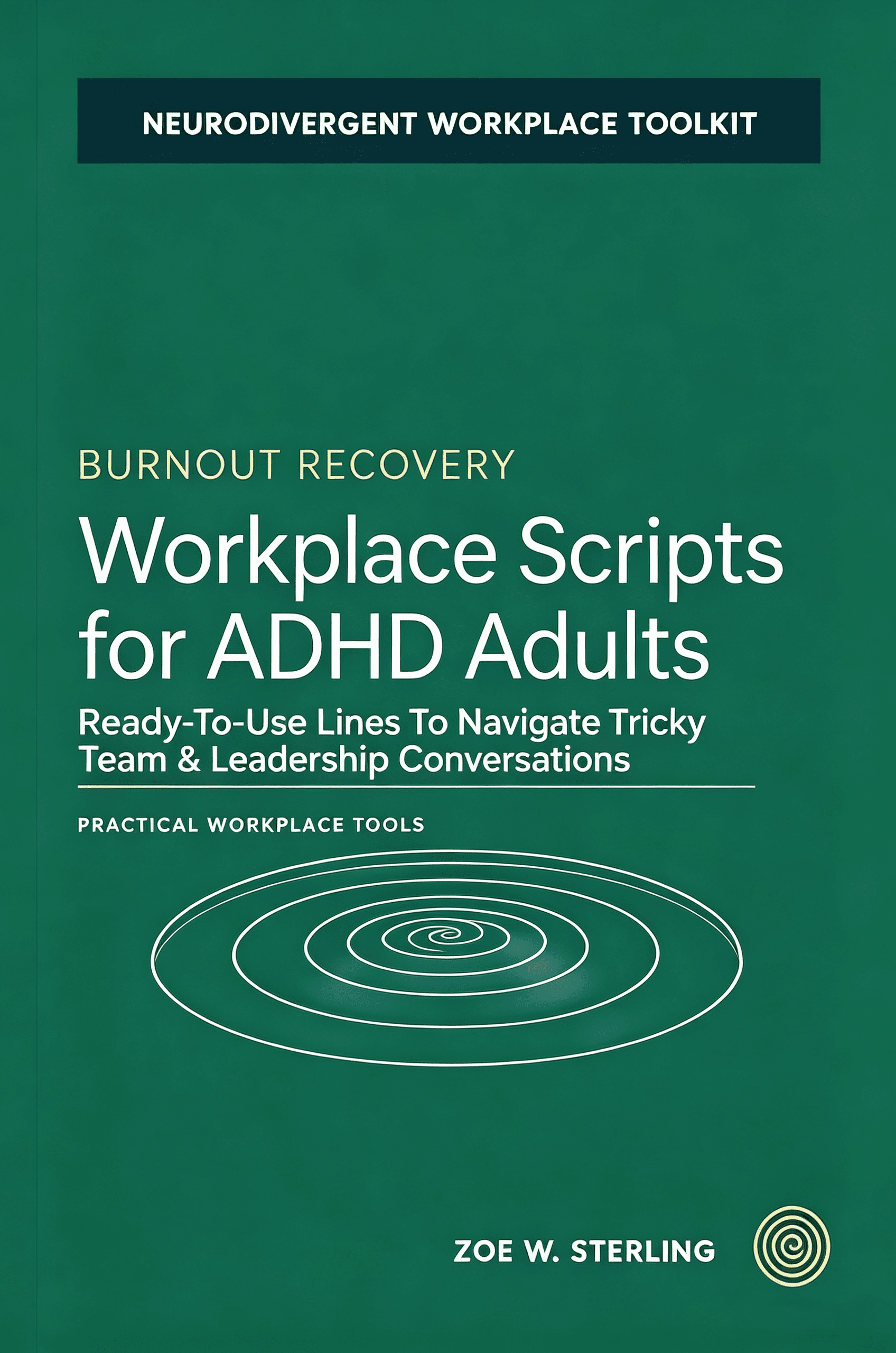
Workplace Scripts for ADHD Adults
A practical collection of workplace scripts for neurodivergent adults. From requesting accommodations to pushing back on unreasonable deadlines, these scripts help ADHD professionals communicate their needs clearly.
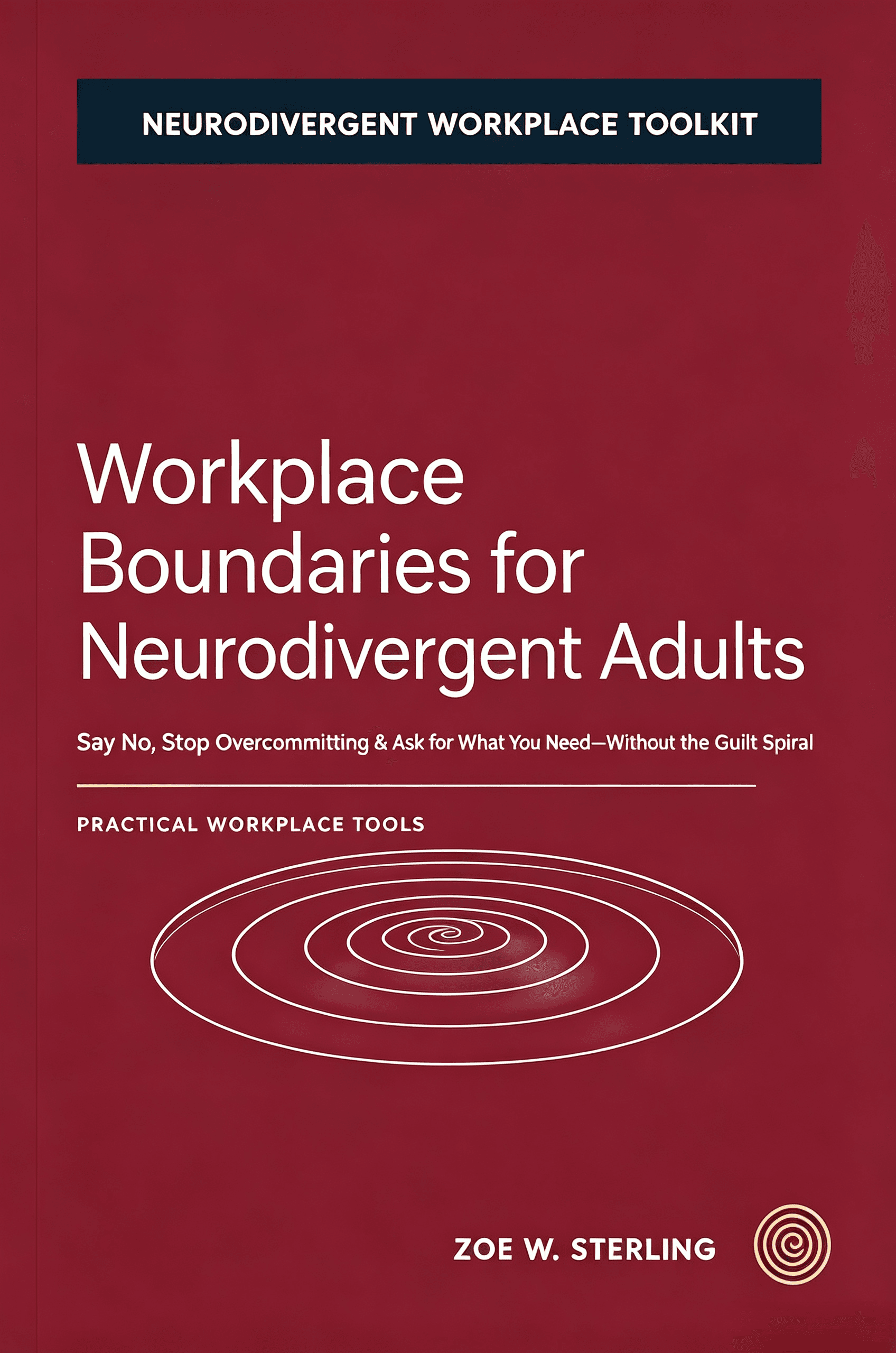
Workplace Boundaries for Neurodivergent Adults
Setting boundaries is critical for all professionals, but especially for neurodivergent adults who are more susceptible to overstimulation, RSD triggers, and energy depletion. This book provides practical strategies and scripts.
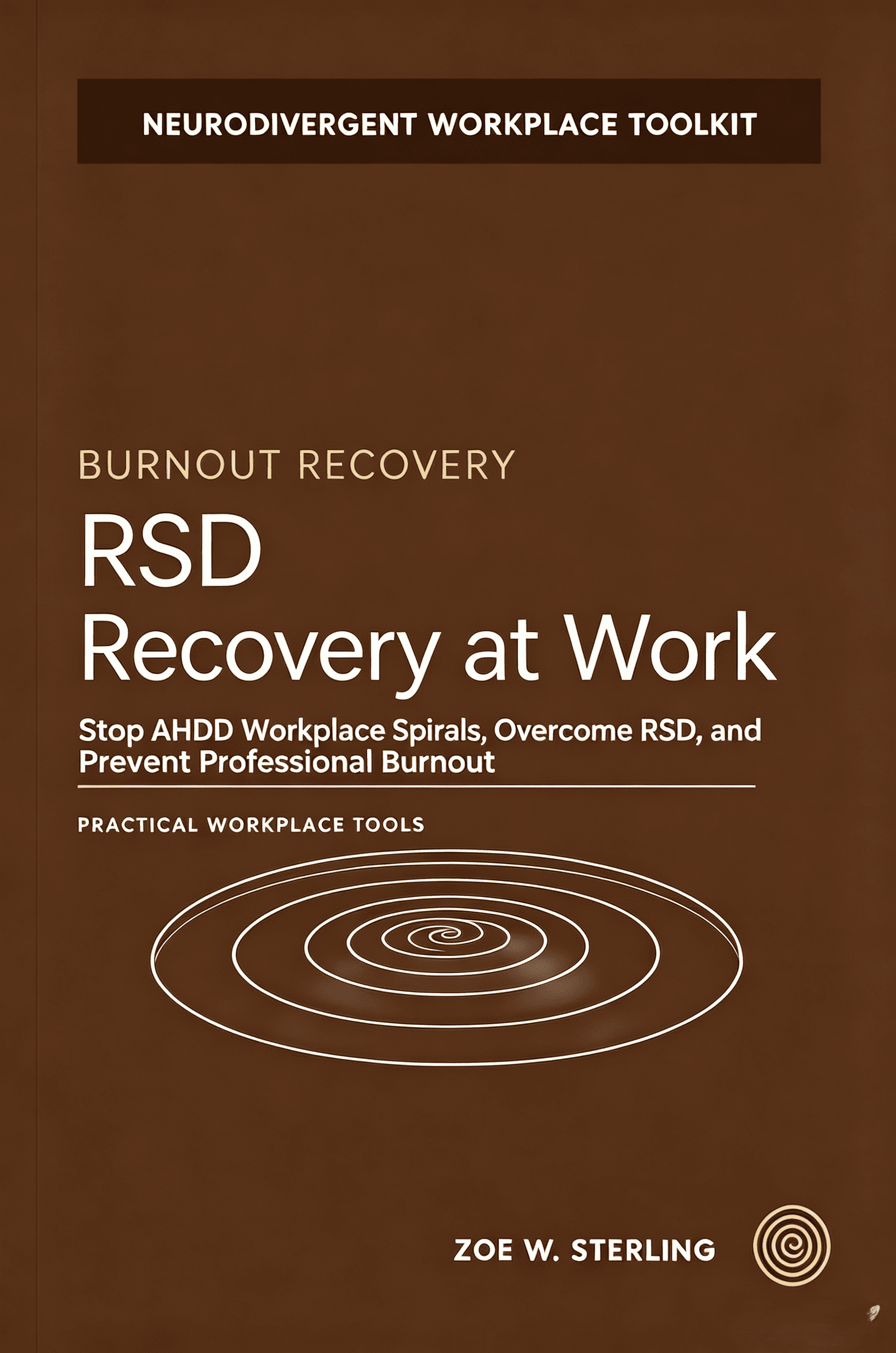
RSD Recovery at Work
A comprehensive field guide for neurodivergent adults navigating the workplace. Based on Zoe Sterling's 10+ years of ADHD workplace research and coaching, this book identifies 8 core strengths and 7 hidden workplace patterns.