定義
拒絶過敏性不快障害(RSD)
RSDは、実際のまたは知覚された拒絶、批判、または失敗によって引き起こされる激しい感情的反応です。ADHDでは、ドーパミン調節、実行機能、感情制御の違いに関連しており、通常の軽微な侮辱が耐え難いものになります。
重要ポイント
知っておくべきこと
- 1RSDは劇的であることではなく、ADHDの神経学的特徴です。
- 2ドーパミン調節不全と実行機能障害が痛みを伴う感情的反応を促進します。
- 3RSDは回避や人を喜ばせる行動につながり、人間関係や自尊心を損なう可能性があります。
- 4RSDが何であるかを知ることは、自己非難ではなく自己慈悲を持って応答するのに役立ちます。
- 5科学的に裏付けられた戦略と専門家のサポートは、RSDの影響を大幅に軽減できます。
 35s
35sWhy Rejection Hurts More with ADHD (And How to Cope)
RSD (Rejection Sensitive Dysphoria) makes criticism feel unbearable. Learn 4 science-backed steps to manage rejection sensitivity and thrive. #ADHD #RSD #neurodivergent
拒絶過敏性不快障害とは?
拒絶過敏性不快障害(RSD)は、実際のまたは知覚された拒絶、嘲笑、批判、あるいはそれらの状況の*予期*に対する重度の感情的反応です。注意欠如・多動症(ADHD)の人々にとって、この反応は絶え間なく、圧倒的で、肉体的に苦痛を伴うことがあります。RSDは現在、DSM-5の正式な診断ではありませんが、ADHDを治療する専門家は、ADHDの感情的な風景の中心的な部分としてほぼ普遍的に認識しています。
研究によると、感情調節障害(ED)はADHDの最も一般的で障害を引き起こす症状の一つですが、注意力や集中力に焦点が当てられることが多く、しばしば見落とされます。ADHDの主要な精神科医であるウィリアム・ドッドソン医学博士は、彼のADHDクライアントの約95%から99%が拒絶に対して異常に激しい感情的反応を報告したことを発見しました。彼はこの症状を一般的な社交不安や気分障害と区別するためにRSDという用語を作りました。
RSDは実際にどのように感じるのでしょうか?同僚の発言、未返信のテキスト、日常的な作業でのミスによって引き起こされる突然の絶望、怒り、または恥の衝撃である可能性があります。その反応は不釣り合いに見えますが、ADHDの人はそれを止めることができないことがよくあります。拒絶は小さな失望ではなく、生命を脅かす脅威のように感じられ、その人は数分後または数時間後でさえ機能するのに苦労します。
なぜRSDはADHDの脳にこれほど強く影響するのか?
RSDの根源は神経生物学にあります—脆弱な感情ではありません。ADHDにはドーパミンとノルエピネフリンの調節不全が関与し、報酬、動機付け、感情調節に影響を与えます。ADHDの人が拒絶を経験すると、神経型の脳よりも速く脳の脅威検出システムが作動します。同時に、最初の感情の高まりを冷ますはずの前頭前皮質は、ADHD関連の実行機能障害によって妨げられます。
作業記憶も奇妙な役割を果たします。困難なコメントの後、ADHDの人は過去の成功や肯定的なフィードバックの正確な記憶を引き出すことができないかもしれません。彼らの作業記憶は代わりに批判的な出来事を中心に展開し、それをループで再生します。これは、「私は十分ではない」という恐ろしい物語につながり、振り払うのが不可能に思えます。
さらに、ドーパミンの不足は、脳が痛みのループをオフに切り替えるのに苦労することを意味します。適切なドーパミンレベルがあれば、神経型の脳はコメントを中立または肯定的なものとしてすぐに分類できます。しかし、ADHDの脳は脅威を知覚し続け、警告信号を何度も送るかもしれません。要するに、RSDは選択ではなく、神経多様性のある脳が感情的な入力を処理する方法の下流効果です。
- ドーパミン欠乏は、脳の自然な鎮静反応を鈍らせます。
- 実行機能障害により、拒絶を文脈に置くことが難しくなります。
- 作業記憶がショートし、99の肯定的なコメントを忘れ、1つの否定的なコメントに焦点を当てます。
実際の生活でのRSDの様子
チームミーティングにいると想像してください。上司が「誰かその数字を再確認すべきだ」と言います。あなたはそれが自分に向けられたのかチームに向けられたのかわかりませんが、心臓がドキドキし始め、顔が赤くなり、二度と発言しないと心に誓います。それがRSDの実例です:あなたの脳は一般的なコメントを個人的な拒絶として解釈します。
ADHDを持つプロジェクトマネージャーのサラにとって、仕事後の集まりに招待されなかったことは、数ヶ月間友人グループを離れるきっかけとなりました。大学生のマークにとって、教授の欄外のメモ「もっと具体的に」は、次の2回の講義を欠席させる原因となりました。それぞれの場合で、きっかけは小さかったですが、反応は巨大でした—しばしば他人によって過剰反応として却下されます。
RSDは、実際の拒絶が起こる*前*に、完璧主義や激しい不安として現れることもあります。RSDを持つ人々は、友人が怒っているか、テストがうまくいかないかを予測し、将来の問題を事前に「修正」しようと強迫的に試みることがよくあります。時には痛みが非常に激しく、失敗の可能性がある人間関係、仕事の面接、趣味さえも避けることがあります。
人間関係、仕事、自己価値への隠れた影響
未治療のRSDと共に生きることは疲れ果てる可能性があります。多くのADHD成人は、「拒絶強迫」パターン、つまり絶え間ない安心感を必要とし、本当に受け入れられているかどうか確信が持てない状態を発症します。これは、安心感が決して十分ではないため、パートナーを遠ざける可能性があります。また、ADHDのパートナーの素早い感情の爆発が出来事に不釣り合いに見えるため、結婚生活での対立につながることもあります。
職場では、RSDはしばしば人々を「人を喜ばせる人」または「過剰達成者」に駆り立てます。2倍の努力をすることは批判を避けるための頻繁な戦略ですが、この完璧主義は不安に依存しています。マネージャーが中立的なフィードバックを与えると、RSDの人は自分が失敗したように感じ、その場で辞めることを考えるかもしれません。同時に、これらの感情の嵐による実行機能の消耗は、実際の仕事のタスクに利用できる作業記憶をほとんど残しません。
2021年の国際研究では、ADHD成人の感情調節障害を調査し、感情を独立して管理することの難しさが、古典的な不注意や多動性を超えて社会的および職業的障害を予測することが報告されました。介入がなければ、継続的な痛みは低い自尊心や併存するうつ病につながります。慢性RSDは単なる悪い気分ではなく、静かにあなたのアイデンティティを消費し、拒絶を異なる方法で処理する脳を持っていることを受け入れる代わりに、自分が欠陥があると信じさせる可能性があります。
拒絶過敏性を管理するための実践的な戦略
最初のステップは、反応をそれが何であるかとラベル付けすることです:「これはRSDであり、私についての合理的な評価ではない。」役立つテクニックの1つは、アクセプタンス&コミットメント・セラピー(ACT)からの認知の脱フュージョンです。「私は失敗者だ」と言う代わりに、「私は失敗者だという考えを持っている」に変更します。これにより、あなたと考えの間にスペースが生まれ、行動への支配力が減ります。
また、応答には「クーリングオフルール」を実装できます。RSDエピソード中は実行機能が弱まるため、脳は文字通り論理的回路を使用できません。固いルールを設定します:可能性のある拒絶の後に怒り、恥、またはパニックの急増を感じた場合、返信または行動する前に少なくとも20分待ちます。ウォーキングやストレッチなどの低刺激の活動を使用して、ドーパミンの低下をベースラインに戻すのに役立ててください。
自己慈悲は大げさなものではなく、スキルです。激しい痛みに気づいたとき、心臓に手を置くか、「これは非常に困難で、圧倒されると感じるのは理にかなっています。そのコメントは私のADHDを引き起こしました、そして私はそれを処理できます」などの短い自己親切のフレーズを練習します。感情調節の研究では、自己慈悲が脳の恐怖中枢である扁桃体の活動を大幅に減少させることが示されています。
もう1つの戦略は、一般的なシナリオに対して「RSDスクリプト」を書くことです。迅速な返信なしにテキストを送信した後に拒絶されたと感じることが多い場合は、「これは彼らが私を好きではないという意味ではありません。彼らは忙しいか、気が散っているかもしれません」と言うスクリプトを作成します。その後、フォローアップする前に12時間待つことを選択します。感覚過負荷が来たと感じたら、温度(氷を保持するなど)を使用してすぐにグラウンディングします。気分を良くするために自分を説教しないでください。あなたのADHD脳は身体的なリセットを必要としています。
- 敵に名前を付けます:それを「真実」ではなくRSDと呼びます。
- 神経系を落ち着かせるために反応を20分遅らせます。
- 脱フュージョンと自己慈悲を使用して、思考から自分を切り離します。
- スクリプトを作成し、境界を設定して、反射的な応答を避けます。
治療と専門家のサポート:いつ助けを求めるべきか
RSDが学校、仕事、または人間関係を避けさせている場合は、ADHDに精通したサポートを受ける時です。心理療法、特にCBTまたはDBTは、苦痛耐性と柔軟な思考を教えてくれます。認知行動療法では、自分の解釈をテストすることを学びます。「彼らは何を意味したのか?」と尋ねる代わりに、拒絶とは関係のない行動の3つの代替理由を探るように導かれます。
薬物療法も多くの人にとって非常に命を救うものです。メチルフェニデートやアンフェタミンなどの覚醒剤はドーパミン調節を改善し、感情の嵐が十分に収まり、スキルを使用できるようになるかもしれません。ただし、一部の精神科医は、ADHDにしばしば使用されるα2アドレナリン作動薬であるグアンファシンやクロニジンを処方することもあります。これらの適応外薬は感情的反応性を直接標的とし、RSD症状を軽減する有望性を示しています。
しかし、覚えておいてください:薬だけがすべての答えではありません。コーチングは、拒絶の引き金を減らす外部構造を構築するのに役立ちます。たとえば、作業スペースを整理して中断を制限したり、同僚との毎週のチェックインを作成したりします。この道を一人で歩かないでください。CHADDやADDAなどのサポートグループは、理解している他の人々に会うことを可能にします。他の誰かが同じ突然の痛みを説明するのを聞くことは、あなたの経験を検証し、恥を軽減します。
結論:RSDは管理可能であり、あなたは一人ではありません
拒絶過敏性不快障害は長い間隠されてきましたが、私たちがそれについて話すほど、その力は弱まります。ADHDを持ち、これらの激しい波を感じたことがあるなら、あなたの脳は深く感じるように配線されていることを忘れないでください��その強さは、それがあなたを定義することを拒否したとき、共感、創造性、情熱において強みにもなり得ます。
RSDを呼び出し、思いやりを広げ、実用的な戦略を使用するたびに、自己調整を強化しています。それは一夜にして起こりませんが、練習としばしば専門家のサポートにより、痛みは縮小します。拒絶の恐れを抱えながらも、それがあなたの人生を支配させないことを学ぶことができます。
よくある質問
ADHDにおけるRSDとは何ですか?
RSDは拒絶過敏性不快障害の略です。これは、知覚されたまたは実際の拒絶、嘲笑、批判に応じて極端な感情的苦痛を経験するADHDの一般的ですが過小認識されている症状です。この反応は神経学的であり、多くの場合、実行機能とドーパミン調節の違いによって引き起こされます。
拒絶過敏性は精神障害ですか?
いいえ。拒絶過敏性はDSM-5に正式な精神障害として記載されていません。むしろ、ADHD専門家が注意欠如・多動性障害を持つ人々に見られる激しい感情的反応のパターンを説明するために使用する用語です。ADHDの文脈内で対処されると効果的に治療できます。
拒絶過敏性にどう対処しますか?
対処には、経験をRSDとして特定し、即時の反応を遅らせ、認知の脱フュージョンと自己慈悲を使用し、支援的なルーチンを構築することが含まれます。認知行動療法などの療法は否定的な思考パターンを再構成するのに役立ち、薬物療法はADHDの人々の感情的反応の強度を軽減する可能性があります。
拒絶過敏性は治療できますか?
はい、絶対に。治療には、ADHDに焦点を当てた心理療法(CBTやDBTなど)、覚醒剤やグアンファシンなどの薬物療法、ADHDコーチングが含まれる場合があります。脳の配線に逆らうのではなく、それと協力する方法を学ぶことで、痛みを劇的に軽減し、日常生活を改善できます。
アクションプラン
学んだことを実践するための手順に従ってください
ステップ 1: RSDの引き金を特定する
小さなノートまたはスマートフォンのメモアプリを用意してください。知覚された拒絶の後に極端な恥や怒りの波を感じるたびに、引き金、最初の考え、体の感覚を書き留めてください。2週間後、パターン(深夜のテキスト、仕事のメールなど)を探します。この認識が行動への第一歩です。
毎日リマインダーを設定してRSDエントリを確認し、熟考するためではなく、繰り返すパターンに注意するためです。
ステップ 2: 20分ルールを実装する
拒絶の引き金に対して感情的に反応しないことを少なくとも20分間自分に同意します。タイマーを設定し、ストレッチ、質感のある物体を握る、冷たい飲み物を飲むなど、身体を落ち着かせる何かをします。これにより、実行機能がオンラインに戻る時間を身体的に与えます。
戻ったら、「同じ状況の友人に何と言うだろうか?」と自問してください。
ステップ 3: 自己慈悲の朝のスクリプトを作成する
一日を始める前に、「今日は拒絶のように感じるコメントや状況に直面するでしょう。私の脳はADHDのため強く反応するかもしれません。その反応は警報であり、事実ではありません。一時停止した後、冷静に応答し、自分の価値を思い出すことができます」と言う短い音声スクリプトを読むか録音します。
このスクリプトを深呼吸エクササイズと組み合わせて、体に定着させます。
ステップ 4: ADHD専門家との相談をスケジュールする
RSDが仕事、学校、または社交イベントを避けさせている場合は、成人ADHDを専門とする心理学者または精神科医との予約を取ってください。治療法(療法、薬物療法(グアンファシンなど)、またはその両方を含む)について話し合ってください。
予約にRSDの瞬間の具体的な例のリストを持参してください。
公式リソースと参考文献
信頼できる組織からの証拠に基づく情報
CHADD
ADHDの子供と大人のための主要な米国組織。感情調節に関するファクトシートと、地元のサポートを見つける方法を提供しています。
chadd.orgADDA
注意欠陥障害協会は、ADHDの成人向けに教育的ウェビナー、コーチンググループ、ピアサポートを提供しています。
add.orgNIMH - 注意欠如・多動症
国立精神衛生研究所からのADHDに関する信頼できる研究概要。臨床試験へのリンクが含まれています。
www.nimh.nih.gov/health/topics/attention-deficit-hyperactivity-disorder-adhd
これらのリソースは教育目的で提供されており、医学的アドバイスを構成するものではありません。
この記事は、科学的正確性と実用性を確保するため、編集委員会によってレビューされました。
さらに多くのADHD職場戦略を入手
10,000人以上の神経多様な専門家に加わりましょう。毎週金曜日に1つの実用ツール、1つのケーススタディ、1つのワークシートをお届けします。
無料で購読 →次に読む
これらの関連リソースで学習を続けましょう
📖関連記事
職場のフィードバックにおけるRSDトリガー:役立つスクリプト
拒絶感受性不快症(RSD)は職場のフィードバックを個人的な攻撃のように感じさせることがありますが、構造化されたフィードバックスクリプトはADHDの従業員がこれらの会話をより少ない感情的苦痛で処理するのに役立ちます。
職場での拒絶後のRSD回復テクニック
職場での拒絶は、実行機能とワーキングメモリを停止させるRSDスパイラルを引き起こすことがあります。このガイドでは、Rewiring Protocolを適用して、ADHD成人がより早く回復し、キャリアを守る方法を紹介します。
無害なフィードバックに打ちのめされたことは?それはRSDかもしれません
無害なフィードバックで一日が台無しになるべきではありませんが、ADHDがあるとそうなり得ます。拒絶敏感性情動(RSD)は、一般的でありながら誤解されがちな感情的反応です。その認識方法と、コントロールを取り戻す方法を紹介します。
📚おすすめの書籍
専門家が執筆したガイドで深く掘り下げる
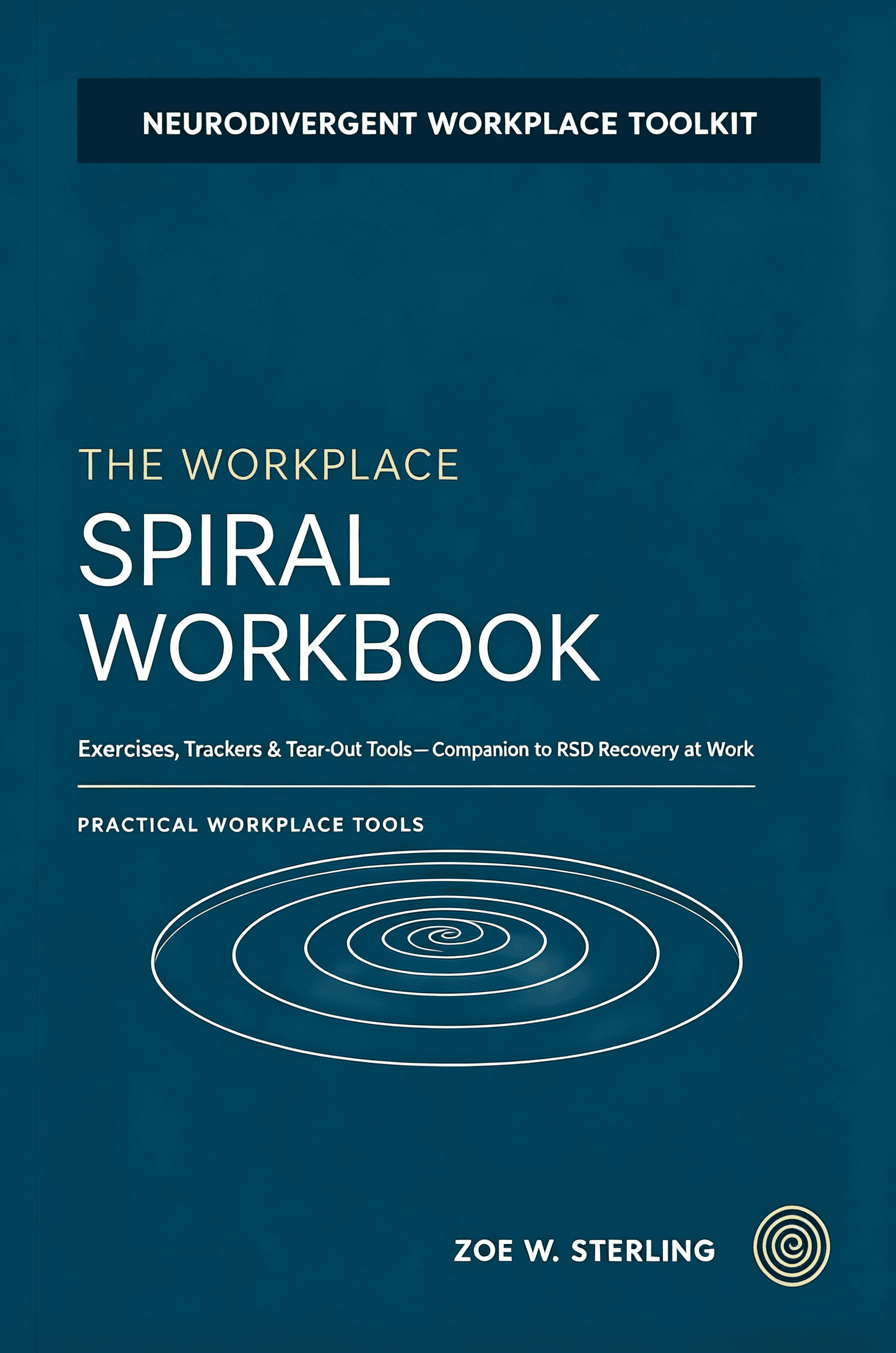
The Workplace Spiral Workbook
This interactive workbook is the companion to Zoe Sterling's Workplace Spiral assessment. Readers identify their spiral type, track their workplace patterns, and practice rewiring strategies to break free from unhealthy cycles.
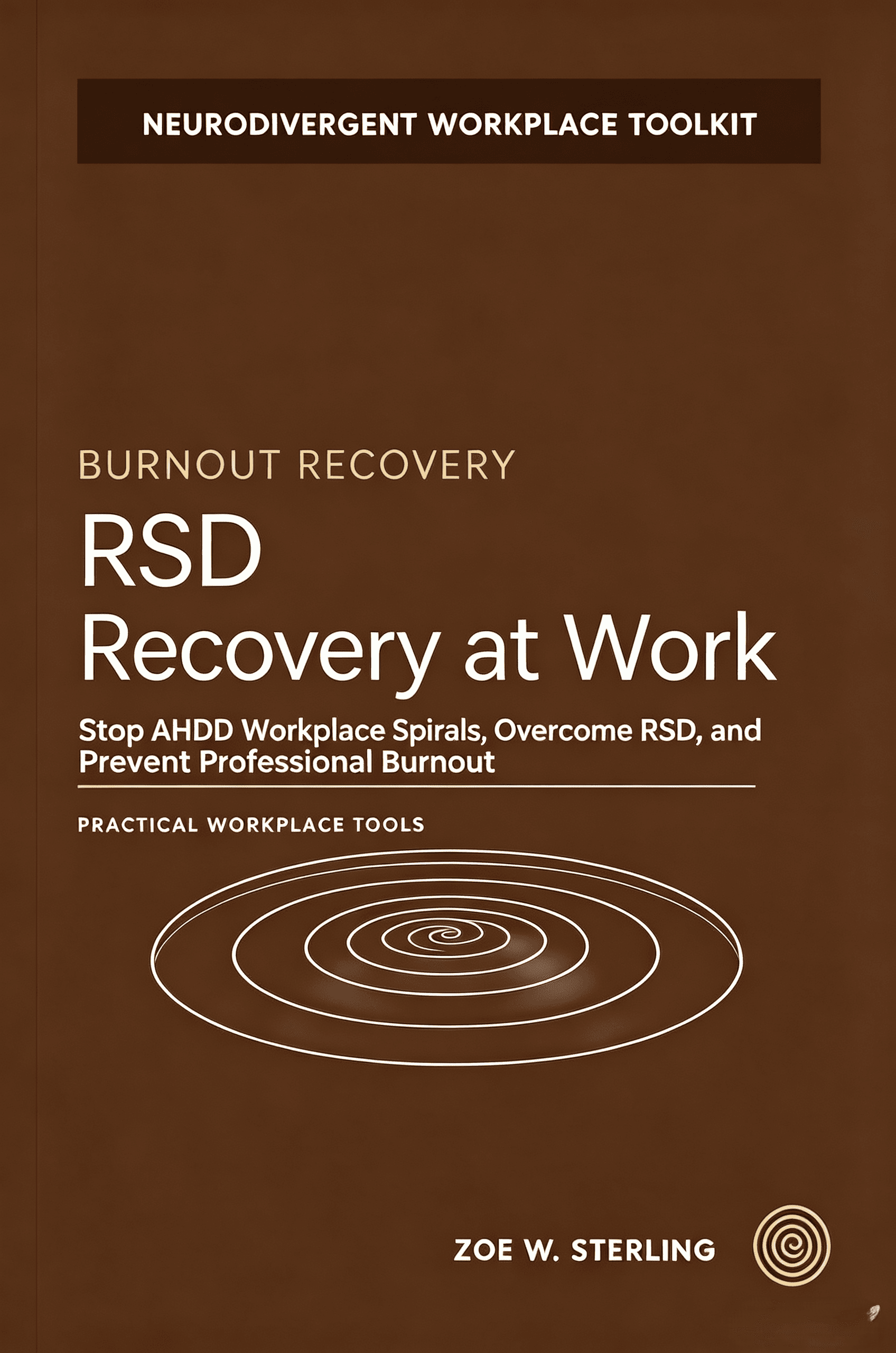
RSD Recovery at Work
A comprehensive field guide for neurodivergent adults navigating the workplace. Based on Zoe Sterling's 10+ years of ADHD workplace research and coaching, this book identifies 8 core strengths and 7 hidden workplace patterns.
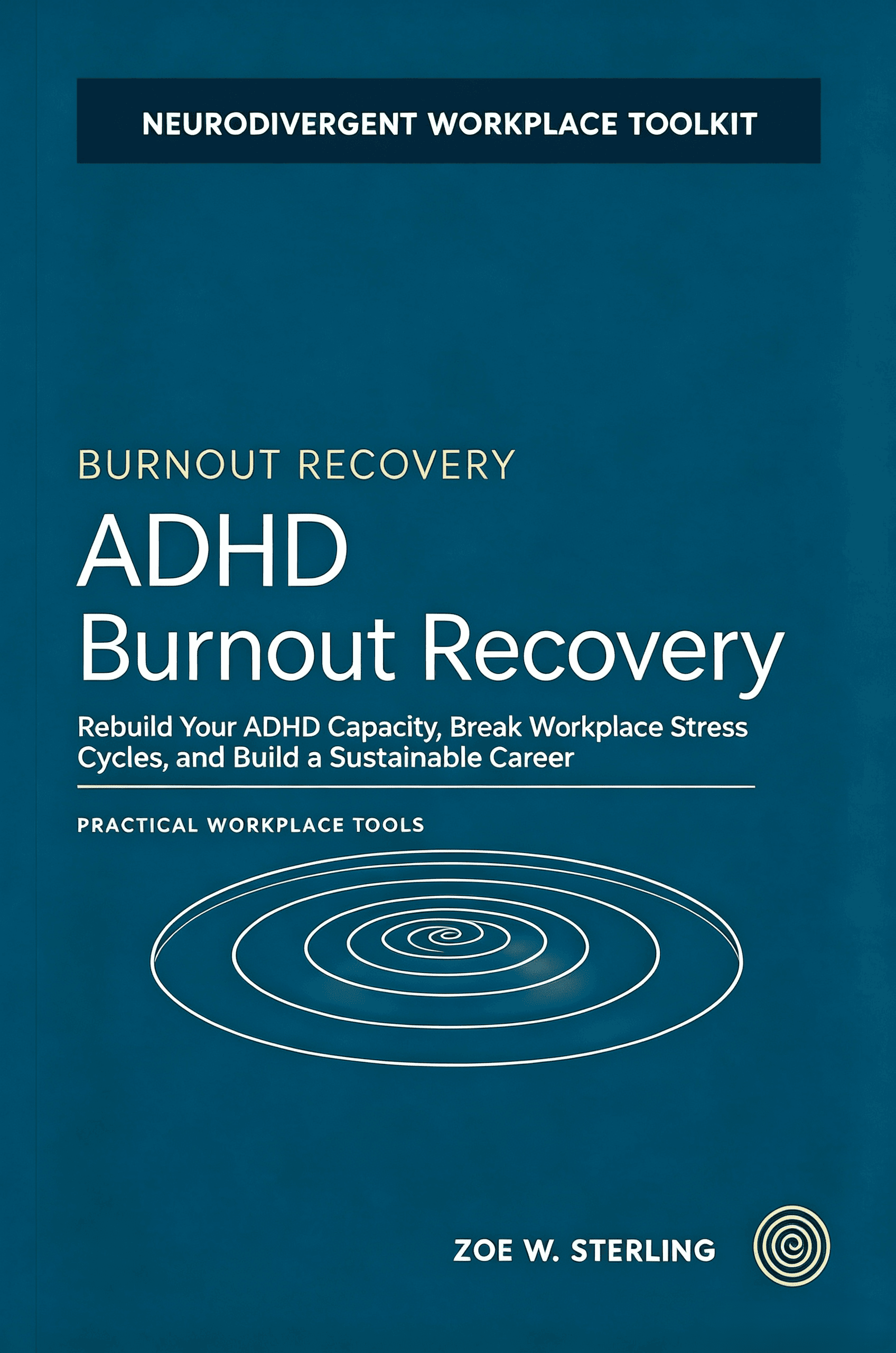
ADHD Burnout Recovery
ADHD burnout is different from typical burnout. Rooted in overstimulation, executive dysfunction, and the gap between natural strengths and workplace demands, it requires a specialized recovery approach.